5 Critical Considerations for Workplace First Aiders

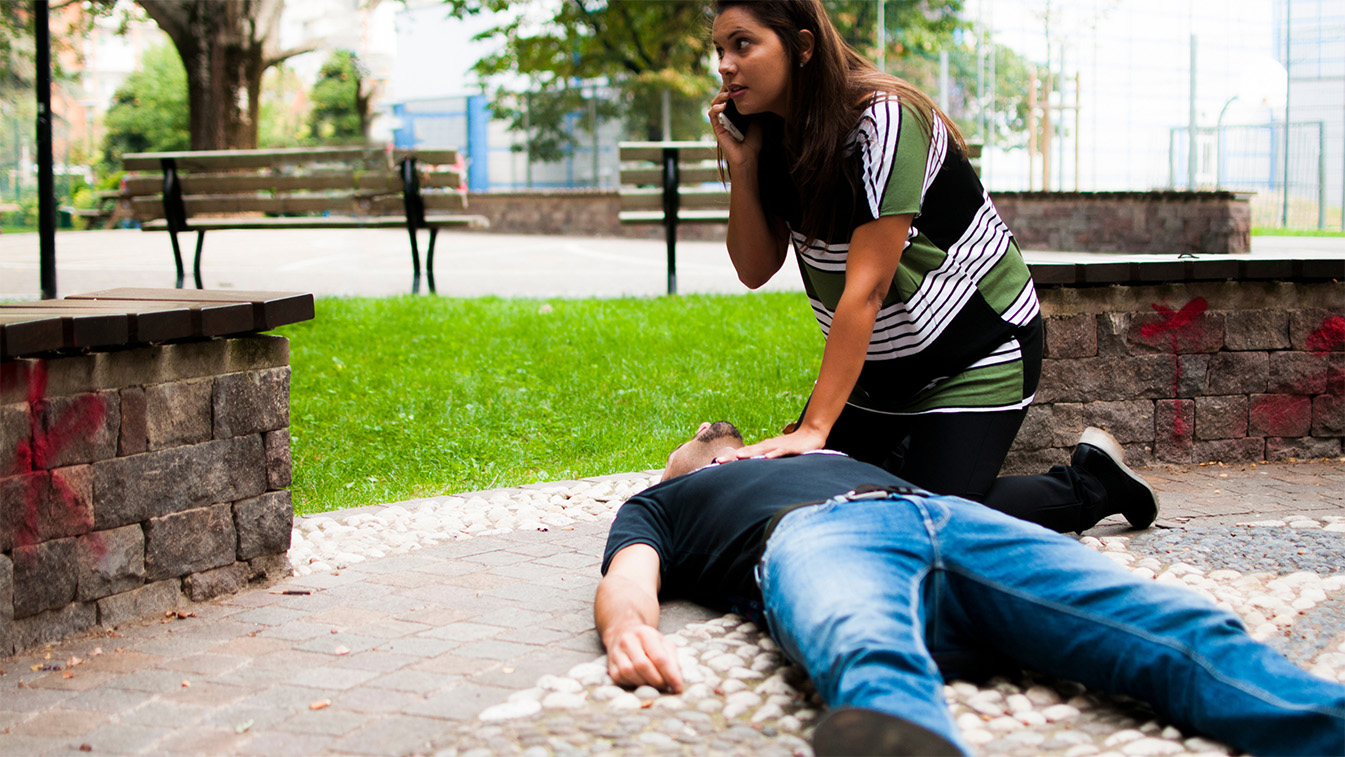
When it comes to workplace safety, having an effective first aid strategy is non-negotiable. Ensuring that you can provide critical first aid quickly in the event of an emergency. However, this can only be achieved through well-structured workplace practices, with clear procedures and a strategy in place to maintain safety. Below are five key things to consider as a workplace first aider to build and maintain a strong first aid strategy:

1. Process and Procedures

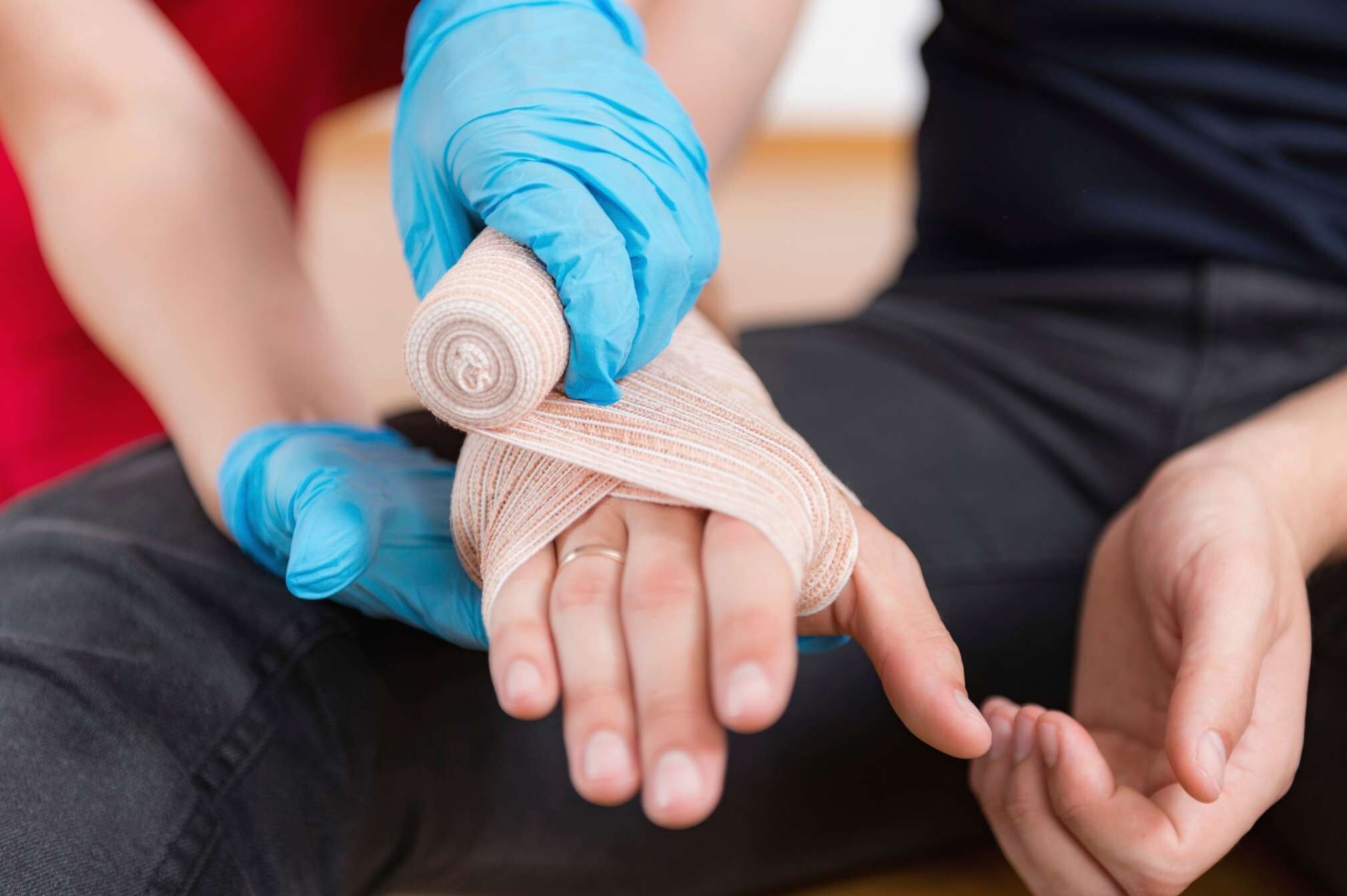
The first and one of the most vital parts of your workplace first aid response is having a clear process. There must be a clear procedure in place so that once an incident has occurred, the appropriate aid can be provided as fast as possible. With staff knowing who and how to contact the nearest on-site first aiders quickly, to treat the situation immediately and gather any equipment required, such as your workplace first aid kits.

For more serious injuries where further medical assistance is required, it is important for staff to be clearly directed, either by the first responder or through following a set escalation plan. This may involve clearing the area of people and hazards, informing further medical staff and or the emergency services if required.


2. The Working Day

Frequently, organisations misjudge the different variables in the working day, with it not being uncommon for first aiders to only be present during “normal working hours”. Missing out on staff members who are active after-hours, such as cleaning staff or those working overtime. But it is crucial to consider the whole working day in its entirety, with trained first aiders covering the full range of hours your staff are present.

During quieter times, this requirement may vary, where you may only need a minimum of one appointed person present. However, this will be determined by the findings of your most recent risk assessment and the type of work completed at these times. Risk assessments also highlight any lone working or remote working practices, which would likely have a different agreement in place. These regulations apply to all workplaces, and employers must assess first aid needs based on the workforce, working hours, risk levels, alongside other factors.


3. High Risk Areas

First aiders need to be readily available at all times, and as a result, consideration should be taken for the layout and size of your workplace site. Adjusting for the varying risk levels across the site, taking extra care to target your first aid training and workplace first aid kits around high-risk areas.

For example, if you have heavy machinery, chemical storage, or a large warehouse section, the likelihood of injury is much higher than in your site’s office areas. Therefore, you should adjust your strategy around this to ensure that first aiders are on hand quickly.


4. First Aid Equipment

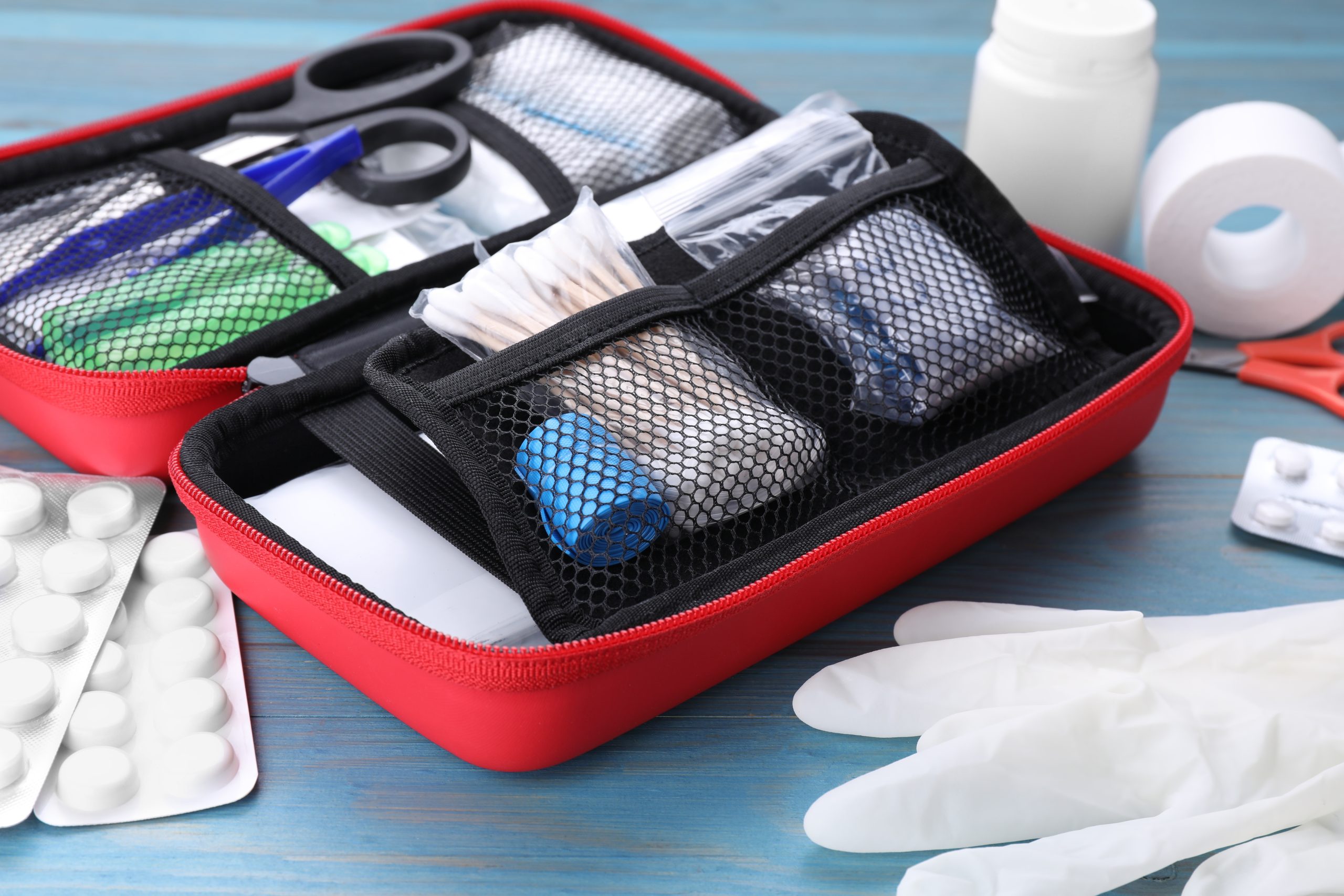
The contents of your workplace first aid kit/kits must be frequently maintained to ensure that they stay relevant to the risks, adequately stocked, and up to date. Scheduled maintenance can also verify your kits haven’t expired, checking that all the equipment is in working condition. The HSE guidance states that:

“Every employer should provide for each work site at least one first-aid container supplied with a sufficient quantity of first-aid materials suitable for the particular circumstances.”

The law does not give a fixed list of requirements, but guidance and standards such as the British standards – BS 8599 can help to identify suitable contents, alongside your assessment findings. If your site has unique dangers such as chemical use, burn risk or a remote location, your first aid kit should also reflect those hazards.

5. Records and Assessments

Finally, being proactive with your management is critical to preventing long-standing issues. Keeping logs and records of any maintenance, near misses or incidents is not only a legislative requirement, but also offers important insights into your workplace’s high-risk areas and trends.

Reviewing and analysing these trends can help you better target your first aid strategy, flagging the key high-risk areas and times of the day to your attention to safer protect your staff. Highlighting the importance of keeping consistent records and your knowledge up-to-date through regular refresher training.


Conclusion

The role of a workplace first aider is vital to the upkeep of your workplace safety and involves a lot more responsibility than knowing the essentials of first aid. How you structure, deliver and reflect on your plan has huge implications on your strategy’s success, with these considerations helping to format a comprehensive plan. Directly impacting much more than your first aid strategy, promoting confidence in your organisation’s health and safety culture, which has positive knock-on effects throughout your business.
Why CPR and AED Training should be a priority for Schools

In every school, the top priorities are the safety and well-being of students and staff. This task of making sure everyone is as safe as possible is made even more difficult when looking at the sheer size of the education sector – it is massive.

As of the most recent Government statistics, there are (state-funded only):

  • 985,754 employees
  • 9,032,426 pupils
  • 24,479 schools

Also, the HSE reports that around 5,000 people in the education sector are injured every year, and additionally there are around 170,000 illnesses reported each year, second only to the healthcare industry.

Because of this, schools are equipped to handle a range of emergencies, whether it’s a scraped knee, a bumped head, or a more severe injury. Staff members are also equipped to deal with emergencies, and one life-saving skill that could make all the difference is First Aid Training – and more specifically CPR (Cardiopulmonary Resuscitation) and AED (Automated External Defibrillator) training.

The importance of CPR and AED training cannot be overstated, as it could be the key factor in saving a life during a cardiac emergency. Whether it’s a child who collapses suddenly during a PE class or a teacher who suffers from a cardiac arrest in the staff room, knowing how to react quickly and effectively can make all the difference.

Here’s why CPR and AED training should be a must for every school.


What is CPR and AED Training?

Firstly, we need to understand what CPR and AED training involve:

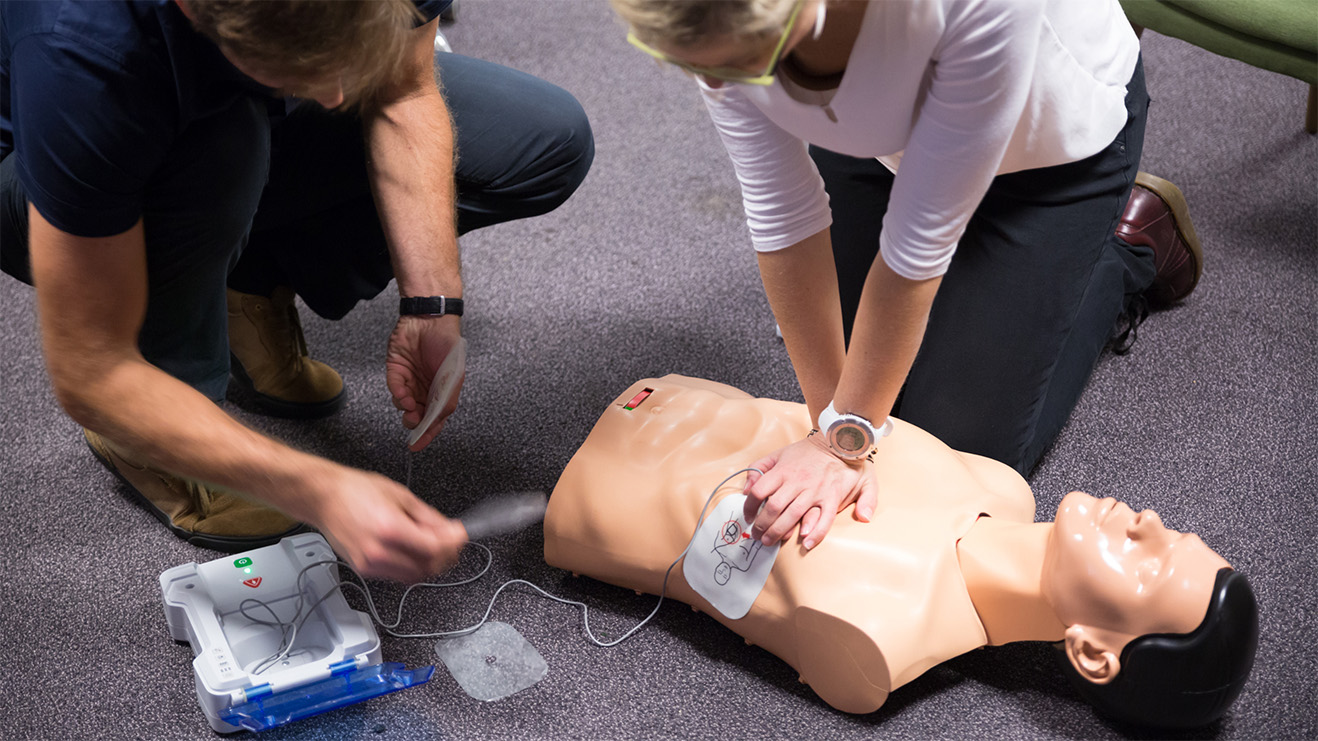
AED (Automated External Defibrillator): This is also referred to as simply a defibrillator. An AED is a portable device that is placed externally on the body and delivers an electric shock to restore a normal heartbeat in cases of sudden cardiac arrest or where the heart’s electrical system malfunctions.

CPR (Cardiopulmonary Resuscitation): This is used when someone’s heart stops beating, or they stop breathing. Chest compressions and rescue breaths (mouth-to-mouth) are given to a person in cardiac arrest to keep oxygen circulating through their body until emergency medical personnel arrive.


Cardiac arrest can happen anywhere

Heart attacks (myocardial infarction) and cardiac arrest can happen to anyone at any time, regardless of age or health. According to the British Heart Foundation, coronary heart disease (CDH) is one of the leading causes of death in the UK, claiming around 66,000lives each year. Around 100,000 hospital admissions each year are due to heart attacks – that’s a person every 5 minutes, and there are more than 40,000 out-of-hospital cardiac arrests each year.

While we typically associate heart attacks and cardiac arrest with older adults, children and adolescents are also at risk, especially if they have undiagnosed heart conditions or engage in strenuous physical activities like school sports.

When cardiac arrest strikes, the person’s chance of survival decreases by up to 10% every minute without intervention. If CPR and an AED are used early, the chances of survival can more than double.

Schools are often bursting full of activity, with children engaged in everything from sports and PE to active lessons. This makes it critical to have several staff trained in CPR and AED use always present onsite.


First Aid Training saves lives

By law, most schools have an AED in place, but the key to saving a life is knowing how to use it properly. Without trained individuals around to operate it, the device is useless. By training teachers, staff, and even older students in CPR and AED use, schools can ensure that immediate action is taken in the event of an emergency.

And for children under 5 years old, it is mandatory that at least one person who has a valid paediatric first aid (PFA) certificate must always be on school premises and available when children are present and must also accompany children on outings.

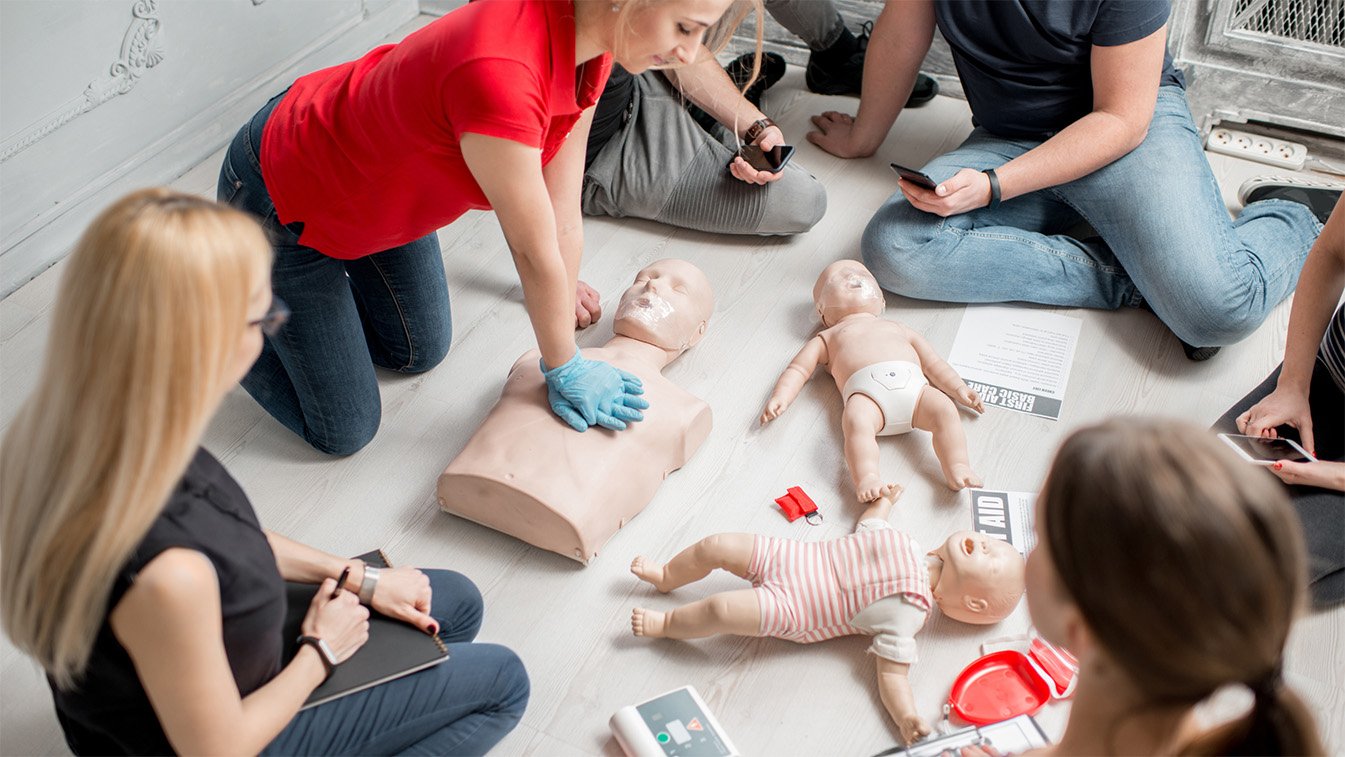
First Aid training with CPR and AED training is widely available, and most courses include:

  • Understanding cardiac arrest and its causes
  • Learning how to perform chest compressions effectively
  • How to use an AED safely and confidently
  • Recognising signs of medical emergencies like heart attacks, strokes, and seizures
  • Administering CPR for adults, children, and infants

Plus, CPR and AED certifications last for 3 years, meaning your school can refresh and renew training on a regular basis to keep skills up to date.


Protecting and equipping students and Staff

Defibrillators can be found in most public places, but the key is making sure that those who are present at these locations are trained to use them properly. All state-funded schools have been supplied with AEDs since 2023, and schools are advised to place it in their sports facility.

Additionally, training your school staff in CPR and AED use not only equips them in an emergency but also boosts their overall confidence. Knowing that they can take action in a critical situation gives staff the peace of mind to respond calmly and effectively during moments of chaos.

Schools can also consider providing optional CPR training for older (eg. high school) students, so they can help in emergency situations or learn valuable life skills that could one day help someone in need.

As stated previously, simply having a defibrillator on site isn’t enough. While modern AED devices are designed to be user-friendly and often come with clear, step-by-step instructions, it’s important to have trained personnel who can use them confidently and efficiently. Remember: The faster an AED is applied after cardiac arrest, the better the chances of restarting the heart.


Conclusion

While we hope that heart attacks and cardiac arrests never happen in our schools, being prepared is crucial. Schools must prioritise training in emergency First Aid – specifically CPR and AED use, to ensure that students, staff, parents and visitors are as safe as possible when on school premises.

The few hours spent learning these life-saving skills could make all the difference, turning a crisis into a story of survival. By having trained first aiders in every school, we can ensure that every child and adult is given the best chance of survival during a cardiac emergency.

Contact Us