
Manual Handling Safety at Work

Whether you work in a warehouse, on a construction site, or in an office setting, manual handling will likely play a role in your everyday tasks, which can often appear harmless. However, when moving or lifting heavy objects incorrectly, it can pose a serious risk of injury, catching many people off guard.

As a result, every year the HSE consistently reports handling, lifting and carrying as the second most common cause of injury, accounting for approximately 15-20% of non-fatal injuries. Emphasising the need for strong manual handling procedures in the workplace.


What is Manual Handling?

Manual handling refers to any activity that involves transporting or supporting an object by hand or force. This includes lifting, lowering, pushing, pulling, or carrying items – making anything from moving a box of supplies to shifting machinery components included, regardless of the action being aided or not.

In manufacturing and construction roles, this is particularly present with loads often being heavy and irregularly shaped. Whilst in office environments, the risk is often presented through repetitive lifting or carrying, potentially causing injury over time.

The most common risks associated with manual handling include:

  • Long-term injuries – from repeated poor lifting techniques.
  • Muscle strains and sprains – often caused by repetition or awkward movements.
  • Fractures or dislocations – from slips and falls, or through dropping heavy loads.

How to Improve Your Manual Handling Safety

As it’s often the case, the best way to prevent heavy lifting injuries is by avoiding the task entirely. However, this becomes unavoidable with necessary tasks. But whilst not every lift can be avoided, many injuries are preventable by following safe working practices. Introducing the correct training to staff, avoiding repetitive tasks when fatigued and minimising the need for manual handling where possible, with the correct aids provided when they are needed.

But for your necessary tasks, here’s what’s recommended to mitigate the hazards and improve your manual handling safety:


1. Assess the Situation

When the situation arises, the first and most crucial step is to take a moment to assess the task. Looking for any way to simplify the movement and reduce the associated risks. That could mean splitting up the objects to reduce the weight and size or considering the shape of the load to make it easier to handle.

During this step, you should also be identifying any potential hazards, from uneven floors & wet surfaces to obstacles in your path that could make moving the object unsafe. Here you should also consider if you are confident in moving the load safely, particularly if it is heavy, you should look for assistance either mechanically or from another staff member.


2. Preparing Ahead

With the risks identified, planning out your route and getting any aids is the next key step to safe manual handling. For your longer routes, check your route in advance, removing any trip hazards and avoiding any slippery or busy walkways, whilst making sure there is adequate lighting throughout. Make sure you know exactly where you are going and that the destination is ready and clear.

Then, if it’s necessary, gather any lifting aids you might require, from trolleys to straps and ask for the help of a colleague if the load is particularly heavy, awkward, or unevenly balanced. Breaking down any heavy or bulky items into smaller loads where possible, as multiple lighter trips help to reduce the chance of injury.


3. Completing the Lift Safely

Now with all the preparation in place, carry out your plan in the safest way possible. Putting to use any mechanical aids to minimise stress through manual force. If lifting by hand, keep the load close to your body’s centre of gravity, maintaining a straight back by bending at the knees. Being sure to keep a strong grip, adjusting it if needed, avoiding any twisting while you are carrying the object.

Here, it is also important to keep holding time to a minimum, sticking to your planned route to get there safely and quickly, regularly setting the load down if you need to rest.


Conclusion

The cost of manual handling injuries can go much further than just a few lost working days. Posing a threat to your organisation’s safety and causing long-term health problems. So be sure to invest in the relevant training of your staff and encourage the use of ergonomic lifting aids to keep your staff safe and aware of the risks. Further helping to build a positive safety culture in your organisation to maintain a safer workplace and upkeep your manual handling safety.
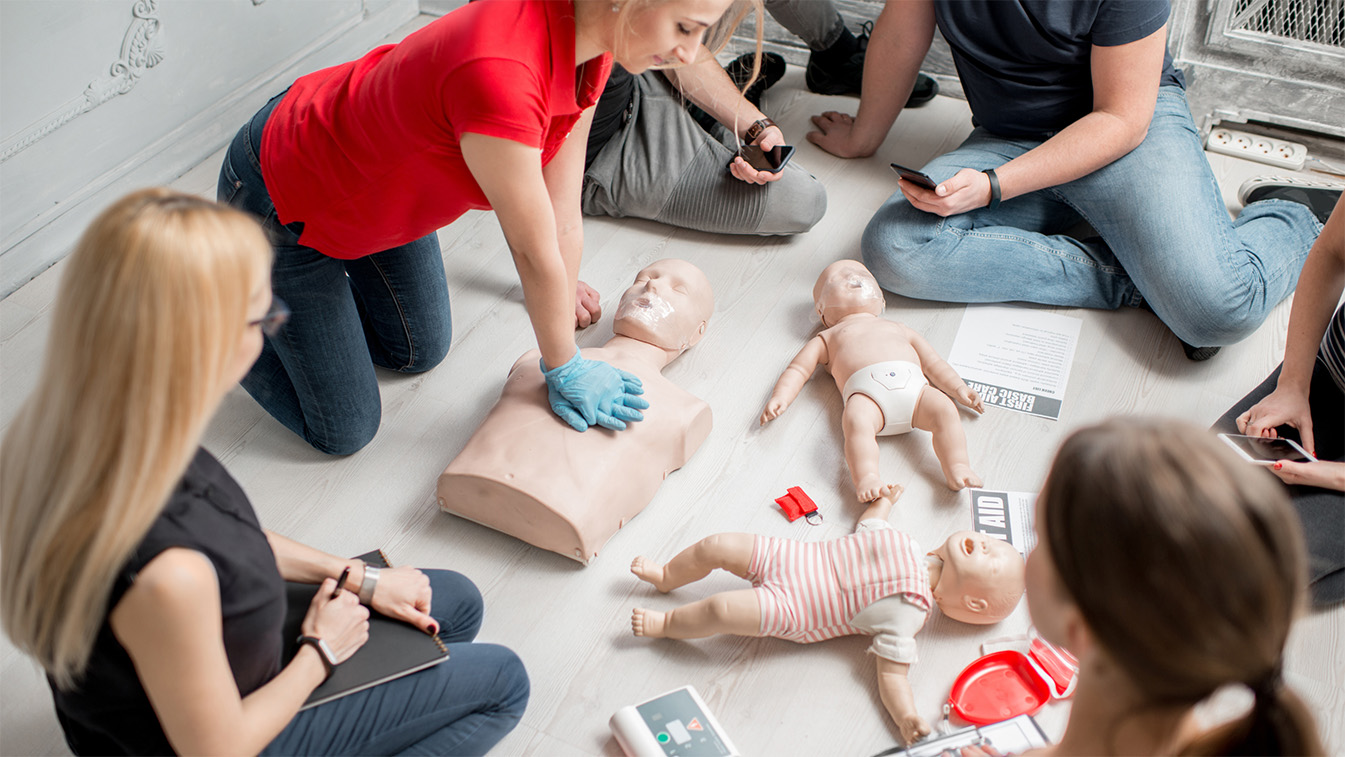
Why CPR and AED Training should be a priority for Schools

In every school, the top priorities are the safety and well-being of students and staff. This task of making sure everyone is as safe as possible is made even more difficult when looking at the sheer size of the education sector – it is massive.

As of the most recent Government statistics, there are (state-funded only):

  • 985,754 employees
  • 9,032,426 pupils
  • 24,479 schools

Also, the HSE reports that around 5,000 people in the education sector are injured every year, and additionally there are around 170,000 illnesses reported each year, second only to the healthcare industry.

Because of this, schools are equipped to handle a range of emergencies, whether it’s a scraped knee, a bumped head, or a more severe injury. Staff members are also equipped to deal with emergencies, and one life-saving skill that could make all the difference is First Aid Training – and more specifically CPR (Cardiopulmonary Resuscitation) and AED (Automated External Defibrillator) training.

The importance of CPR and AED training cannot be overstated, as it could be the key factor in saving a life during a cardiac emergency. Whether it’s a child who collapses suddenly during a PE class or a teacher who suffers from a cardiac arrest in the staff room, knowing how to react quickly and effectively can make all the difference.

Here’s why CPR and AED training should be a must for every school.


What is CPR and AED Training?

Firstly, we need to understand what CPR and AED training involve:

AED (Automated External Defibrillator): This is also referred to as simply a defibrillator. An AED is a portable device that is placed externally on the body and delivers an electric shock to restore a normal heartbeat in cases of sudden cardiac arrest or where the heart’s electrical system malfunctions.

CPR (Cardiopulmonary Resuscitation): This is used when someone’s heart stops beating, or they stop breathing. Chest compressions and rescue breaths (mouth-to-mouth) are given to a person in cardiac arrest to keep oxygen circulating through their body until emergency medical personnel arrive.


Cardiac arrest can happen anywhere

Heart attacks (myocardial infarction) and cardiac arrest can happen to anyone at any time, regardless of age or health. According to the British Heart Foundation, coronary heart disease (CDH) is one of the leading causes of death in the UK, claiming around 66,000lives each year. Around 100,000 hospital admissions each year are due to heart attacks – that’s a person every 5 minutes, and there are more than 40,000 out-of-hospital cardiac arrests each year.

While we typically associate heart attacks and cardiac arrest with older adults, children and adolescents are also at risk, especially if they have undiagnosed heart conditions or engage in strenuous physical activities like school sports.

When cardiac arrest strikes, the person’s chance of survival decreases by up to 10% every minute without intervention. If CPR and an AED are used early, the chances of survival can more than double.

Schools are often bursting full of activity, with children engaged in everything from sports and PE to active lessons. This makes it critical to have several staff trained in CPR and AED use always present onsite.


First Aid Training saves lives

By law, most schools have an AED in place, but the key to saving a life is knowing how to use it properly. Without trained individuals around to operate it, the device is useless. By training teachers, staff, and even older students in CPR and AED use, schools can ensure that immediate action is taken in the event of an emergency.

And for children under 5 years old, it is mandatory that at least one person who has a valid paediatric first aid (PFA) certificate must always be on school premises and available when children are present and must also accompany children on outings.

First Aid training with CPR and AED training is widely available, and most courses include:

  • Understanding cardiac arrest and its causes
  • Learning how to perform chest compressions effectively
  • How to use an AED safely and confidently
  • Recognising signs of medical emergencies like heart attacks, strokes, and seizures
  • Administering CPR for adults, children, and infants

Plus, CPR and AED certifications last for 3 years, meaning your school can refresh and renew training on a regular basis to keep skills up to date.


Protecting and equipping students and Staff

Defibrillators can be found in most public places, but the key is making sure that those who are present at these locations are trained to use them properly. All state-funded schools have been supplied with AEDs since 2023, and schools are advised to place it in their sports facility.

Additionally, training your school staff in CPR and AED use not only equips them in an emergency but also boosts their overall confidence. Knowing that they can take action in a critical situation gives staff the peace of mind to respond calmly and effectively during moments of chaos.

Schools can also consider providing optional CPR training for older (eg. high school) students, so they can help in emergency situations or learn valuable life skills that could one day help someone in need.

As stated previously, simply having a defibrillator on site isn’t enough. While modern AED devices are designed to be user-friendly and often come with clear, step-by-step instructions, it’s important to have trained personnel who can use them confidently and efficiently. Remember: The faster an AED is applied after cardiac arrest, the better the chances of restarting the heart.


Conclusion

While we hope that heart attacks and cardiac arrests never happen in our schools, being prepared is crucial. Schools must prioritise training in emergency First Aid – specifically CPR and AED use, to ensure that students, staff, parents and visitors are as safe as possible when on school premises.

The few hours spent learning these life-saving skills could make all the difference, turning a crisis into a story of survival. By having trained first aiders in every school, we can ensure that every child and adult is given the best chance of survival during a cardiac emergency.

Health and Safety Considerations for Lone Working

Lone working is when employees work in isolation without direct supervision, and is increasingly common in various industries. But, whilst it offers more flexibility and autonomy for workers, it also presents a unique set of health and safety challenges.

Here is a comprehensive guide to understanding and addressing these considerations:

Workman Climbing a ladder whilst working alone outside.

Risk Assessment

Conducting a thorough risk assessment is a crucial first step in ensuring the safety of lone workers. Identifying all potential hazards such as equipment malfunction, health emergencies, or even the risk of violence. Doing so, Enables you to assess the severity of these risks and prioritise them to develop strategies to effectively eliminate them, creating a safer work environment.


Training and Awareness

To prepare individuals for lone working, you must first ensure that they have thorough training on the correct safety procedures, emergency responses, and the proper use of any equipment they will be using to properly carry out their job.

After following a comprehensive training plan, lone workers should be able to recognise potential hazards and know how to respond effectively. Afterwards, regular refresher training can help to keep their safety knowledge up-to-date, reminding them of the potential risks they may face.

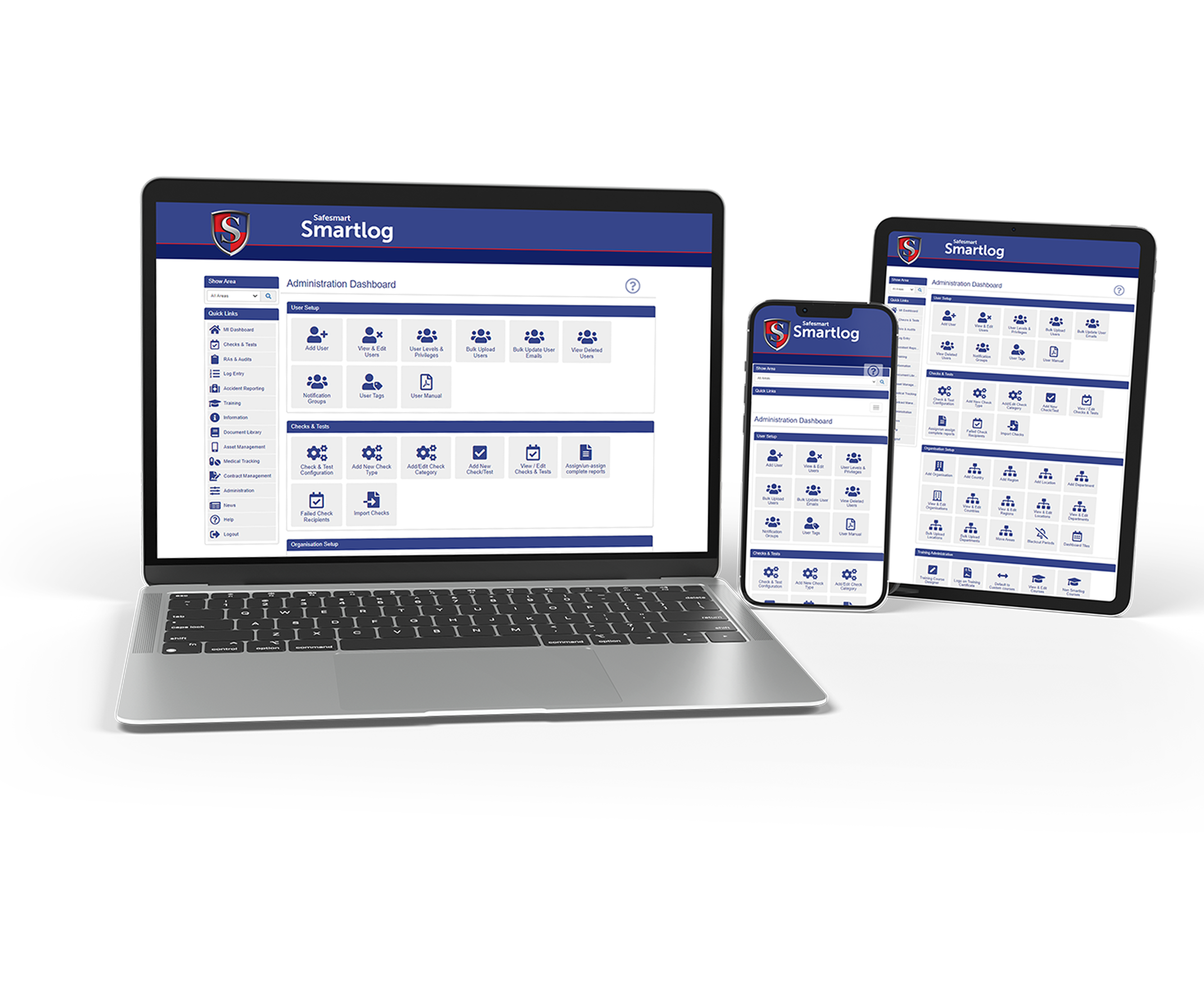
Smartlog Laptop on the desk

Access to Communication

When someone is working on their own, communication is extremely important. It is crucial to establish robust communication systems, including regular check-ins by phone (or other instant communication devices), GPS tracking, or even emergency alert systems. Ensuring that lone workers can quickly and easily call for help in the event of an emergency is crucial to mitigating the risks.


Emergency Procedures

In more detail, you should clearly define emergency procedures which are tailored to lone working scenarios. This includes knowing who to contact, how to access emergency services, and the location of first aid kits. Having a clearly established and well-practiced emergency plan can make all the difference in a critical situation.

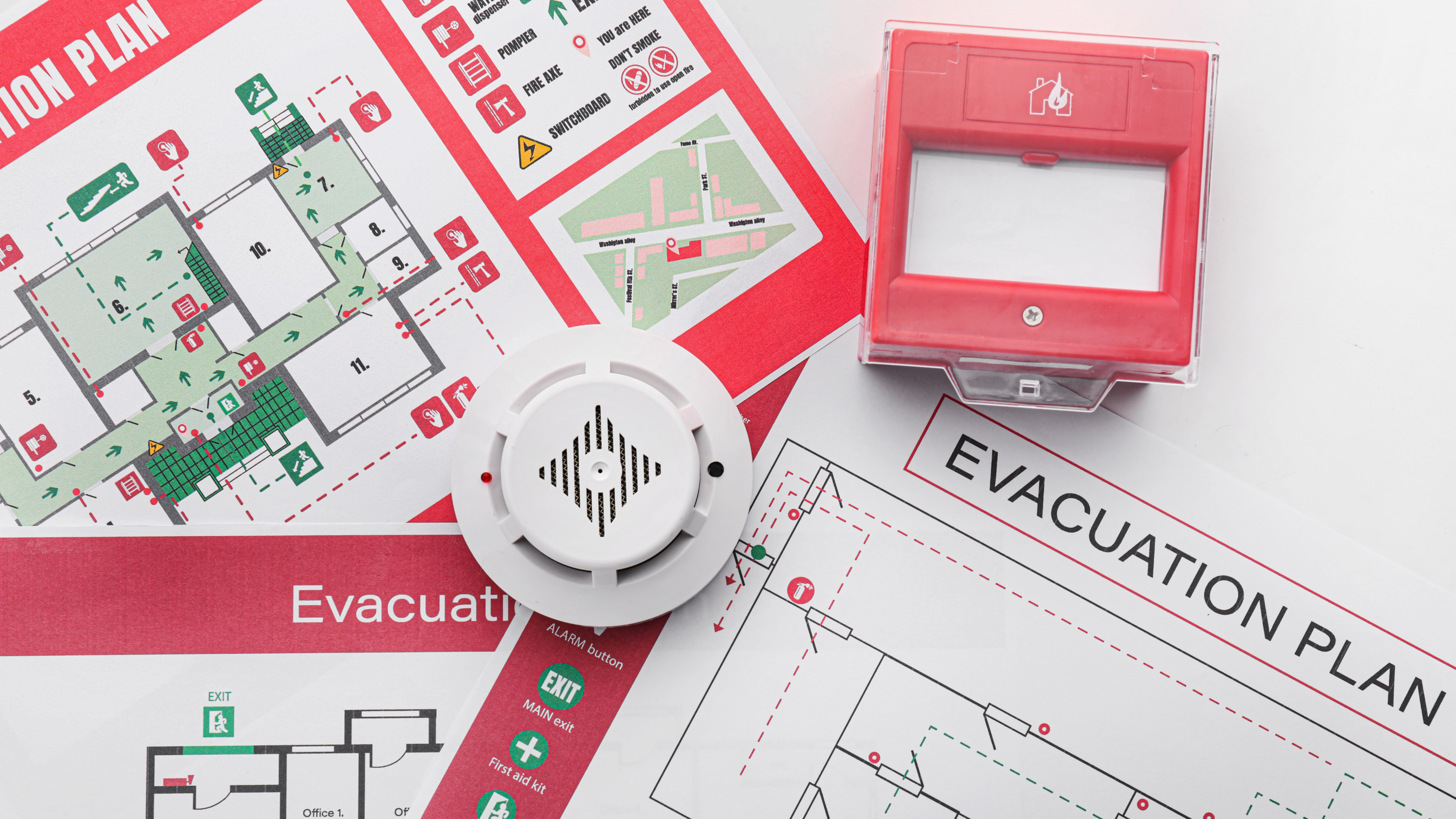
A pile of evacuation plans and fire alarms.

A Safe Working Environment

Ensure the working environment is safe and secure for lone workers. This includes keeping the workplace brightly lit, maintaining secure access points, and confirming all vehicles and work equipment are in good working condition. Regular inspections and maintenance can prevent breakdowns or accidents, and create a safer workplace.


Health and Psychological Support

You should keep on top of the health and well-being of lone workers, especially those in physically or mentally demanding roles. Often, lone working can lead to feelings of isolation or stress, and providing access to psychological support, such as counselling services or peer support groups, can help address and prevent these issues.

Encouraging regular social interaction, even if virtual, can also reduce feelings of isolation. For physical wellbeing, regular health check-ups can identify potential issues before they develop into anything more serious.

Different health metric symbols, signifying the importance of lone working support.

You should always ensure that you are fully compliant with health and safety regulations. This includes understanding your legal obligations as an employer, keeping up with all changes in legislation, and ensuring that all safety measures meet or exceed regulatory standards.

Remember, non-compliance can both jeopardise worker safety and lead to serious legal repercussions.


Encouraging Feedback

You should encourage regular feedback from lone workers to identify any areas of concern. Not only will this help them feel valued, but it will allow you to implement any improvements based on their experiences, helping to create a safer work environment. Also, remember to regularly review and update safety protocols to ensure that they remain effective.

By addressing all these health and safety considerations, you can ultimately create a safer and more supportive environment for lone workers in your organisation. Prioritising their wellbeing not only enhances productivity, but also demonstrates a clear commitment to their overall safety and security.

HSE 2023/24 health & safety at work statistics: The 5 key takeaways

The HSE have released the annual health and safety figures for the year 2023/2024, and here are the 5 key takeaways.

1. Musculoskeletal disorders have increased

Since last year, musculoskeletal disorders have gone up by 14%, which is 67,000 cases more than last year – the largest single year increase in 10 years. After hitting its lowest rate on record last year, almost 2 in every 100 workers has suffered from a musculoskeletal disorder this year. This is the highest rate since 2015/2016.

Illnesses mainly affecting the back (18%), illnesses mainly affecting the lower limbs (33%), and breathing or lung problems (30%) have also increased significantly.

2. Stress, depression or anxiety cases are down

After a record amount of cases in 2021/22 (914,000), and a similarly high 910,000 cases last year, this year has seen 134,000 (14%) fewer stress, depression or anxiety cases than last year. This has produced the lowest rate per 100,000 workers (2.3%) since 2018/19.

However, stress, depression or anxiety cases now make up more than half (55%) of all work-related illness cases – their largest proportion on record. These cases affect an estimated 2.3% of all workers, which is significantly higher than 20 years ago, where the rate was an estimated 1.6% of all workers.

3. Illnesses have fallen for the first time in 5 years

Total illnesses have fallen by 141,000 cases (8%) from last year – the first year-by-year decrease since 2018/19 after going up for 4 straight years.

This is mainly due to the large fall in stress, depression or anxiety cases, as well as 51,000 (48%) fewer infectious disease cases this year when compared to last year. ‘Other’ types of illnesses have also fallen by 48,000 cases (25%), contributing to the overall decrease.

4. Workplace injuries have increased

On the other hand, workplace injuries have gone up for the fourth straight year, rising by 28,000 cases (5%) since last year. Overall however, the injury rate per 100,000 workers remains on the downward trend, with a 3.5% rate 20 years ago, a 2.1% rate 10 years ago, and a 1.9% rate this year:

YearRate per 100,000 workers
2003/043,480
2013/142,130
2023/241,890

5. A third of workplace deaths were aged 60+

This year, a third (45) of workers killed in work-related accidents were aged 60 and over, even though only around 11% of workers in the UK are aged 60 and over. This is also up significantly from 25% last year and 24% the year before – a worrying development.

Overall, worker deaths (138) are similar to last year (136) with an almost identical rate per 100,000 workers (0.42%). Promisingly however, work-related deaths continue to trend downwards. The latest 5-year average of 131 deaths is the lowest since RIDDOR began collecting records in 1974, with three of the five lowest annual numbers on record occurring during this period.

The most common cause of fatal injuries to workers continues to be falls from height (50), which make up more than a third of all fatalities (36%). This is followed by being struck by a moving vehicle (25), struck by a moving/flying/falling object (20), and then being trapped by something collapsing/overturning (15).

Other recent trends continue, with construction remaining the industry with the most work-related fatalities (51), followed by agriculture, forestry and fishing (23), and manufacturing (16).


Bibliography

HSE (2024) ‘Health and safety statistics’. Available at: http://www.hse.gov.uk/statistics/ (accessed: 16/12/2024)

HSE (2024) ‘Work-related fatal injuries in Great Britain’. Available at: https://www.hse.gov.uk/statistics/fatals.htm (accessed: 16/12/2024)

HSE (2024) ‘Index of data tables’. Available at: https://www.hse.gov.uk/statistics/tables/index.htm (accessed: 16/12/2024)

ONS (2023) ‘The occupations most dependent on older and younger workers’. Available at: https://www.ons.gov.uk/employmentandlabourmarket/peopleinwork/employmentandemployeetypes/articles/theoccupationsmostdependentonolderandyoungerworkers/2023-05-31 (accessed: 16/12/2024)

Winter Safety: Keeping Your Workplace Safe

With Winter fast approaching, how is the unpredictable weather impacting your workplace safety? From an increase in slips and trips from icy walkways to a lack of focus caused by inadequate clothing in the cold, keeping your employees safe this winter can be challenging.

It is crucial to plan ahead and foresee the potential risks that can impact your working safety, therefore we will now dive into some of the key things to look out for to ensure your workplace’s safety this winter.

Close up of a half gritted walkway, with snow on the righthand side and a person walking on the left.

Visibility

With darker and longer nights becoming the norm, it is vital that you ensure good visibility around your workplace. This will help you to avoid any slips and trips from poor lighting, or injuries from not knowing someone else is around.

So to avoid these situations, keep your site well-lit (especially around walkways), so people can easily identify any hazards in their paths, and also introduce high-visibility clothing if needed, to ensure that everyone can be seen – this is particularly important when working with machinery.

But also make sure you don’t overlook low-traffic areas, as often these can be the most dangerous. And if you need to, shadow colleagues to ensure that you are keeping your workforce safe throughout the day.

Heavy rain in the night sky lit up by a floodlight.

Changing Weather

In winter the weather is often unpredictable, making it challenging to upkeep a safe workplace, quickly jumping between icy winds, sudden downpours and freezing temperatures. Therefore, ensure that you evaluate the working environment carefully before carrying out any tasks. Consider whether the conditions and your personnel’s experience are adequate to safely complete the tasks at hand, or if there are better times to take on those riskier tasks eg. such as working at heights or during cold nights.

To combat the rainy weather, it is also critical to introduce anti-slip flooring, particularly around doorways as wet floors are often a recipe for slips, regardless of the wider conditions.


Ice and Dropping Temperatures

Arguably the most dangerous risk that Winter brings to your safety is ice and sub-zero temperatures, which quickly develop into new hazards and risks across your workplace. If these are not correctly dealt with, they can harm your working safety. However, one of the most effective ways of dealing with the dropping temperatures is through pre-emptive action.

During the colder months, staying on top of the upcoming weather forecast is crucial to safely planning out what your workplace needs in order to keep safe this Winter. So when low temperatures are forecast, make sure to grit your walkways the day before and ensure that all of your walkways are as clean and dry as possible. This gives you the best chance to avoid any icy or slippery floors, helping you fight back against any slips and trips – which is the leading cause of workplace injury.

Another crucial step to keeping your employees safe is ensuring that they are well-dressed to deal with the temperatures, especially when working for long periods outside. This can be done by encouraging them to keep warm and take regular breaks inside when it is especially cold.

Finally, when dealing with ice and snow you should encourage people to actively think about their winter safety. Whether it’s avoiding shortcuts off the gritted pathways, planning ahead to prevent rushing around, or even considering the best times for each task, to keep them as safe as possible.

An example of poor winter safety precautions where a man has slipped on an icy pathway.

Communication

But the final, most powerful tool you have when it comes to health and safety is communication. Regularly asking your employees, or even shadowing them for a while will potentially give you a new perspective on the safety of your workplace. Ensuring that they feel safe and at a comfortable temperature throughout the day is also crucial to workplace morale and safety; helping them stay focused and always remain health and safety conscious.

To conclude, keeping your staff safe throughout the winter should be critical to all businesses. Although it does come with its unique set of challenges, with the correct pre-planning and monitoring, these actions will significantly improve your workplace safety, aiding your Risk Assessments and checks to ensure you keep your employees safe this Winter.

Smartlog® Turns 20: Celebrating Two Decades of Innovation!

Modified
Original

Twenty years ago, the digital landscape was very different. Dial-up internet was king, mobile phones were mainly used for calls, and cloud computing was only a concept. Today, software is an integral part of our world, being a part of pretty much every aspect of our lives – including health and safety.

This year, we are celebrating the 20th anniversary of Smartlog® by reflecting on its journey, growth, and future.

The Birth of Smartlog

Safesmart was incorporated in 2002 as a fire safety engineering company, and in 2004 we launched the cloud-based software Smartlog in order to give businesses more control in their fire safety management. Its ease-of-use was a key selling point, with an affordable pricing model also becoming a key attraction amidst an expensive market.

Milestones and Growth

Over the past two decades, the software has evolved, incorporating other areas of premises and compliance management into a digital platform. With each development building on the last, we have continually incorporated user feedback to adapt Smartlog to the ever-changing technological landscape – proudly passing the 300,000 active user mark earlier this year!

Impact on the Industry

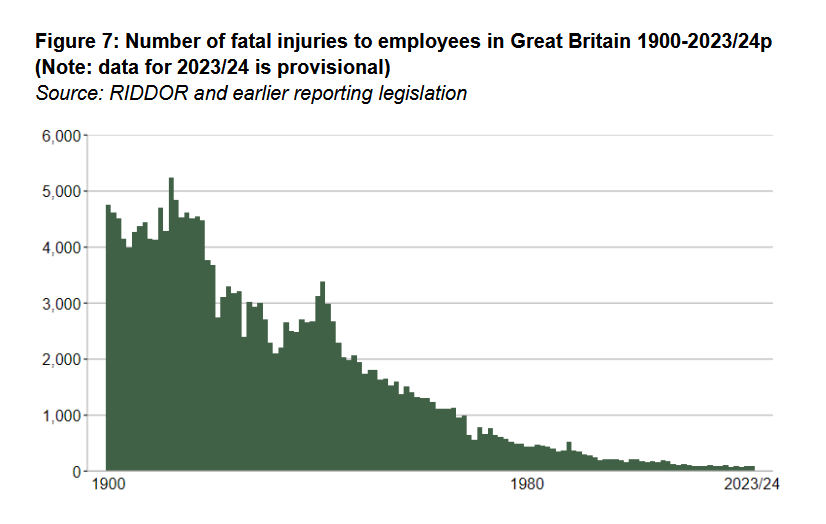
The health and safety industry has seen a significant fall in both fatal and non-fatal workplace injuries over the last few decades, and this positive trend can be attributed to stricter legislation pushing businesses to put more efforts into protecting their workers.

We are very proud to be a part of this life-saving industry, having spent the last two decades facilitiating businesses with tools and knowledge which places workers’ safety and well-being first.

The Future of Smartlog

As we look ahead, we have some exciting developments in the pipeline which we cannot wait to share. Business risk compliance is a vast landscape of which health and safety is only one aspect; and we seek to ultimately provide our customers with a wider array of tools to make risk management as efficient and simplified as possible – whilst remaining affordable.

Celebrating 20 years of Smartlog is not just about looking back at what has been achieved, but it is also about recognising the potential for its future. As we mark this milestone, we remain committed to improving Smartlog further and providing crucial resources for businesses, ensuring that the next 20 years are even more innovative!

20% discount off the Training Course Creator

To mark this special occasion, we will be offering a 20% discount off our brand new Training Course Creator for the whole of November! To take advantage of this temporary offer, email: info@safesmart.co.uk or contact your Account Manager directly.

And of course, Smartlog wouldn’t have made it this far without the fantastic and loyal support we have received. So from all of us here at Safesmart, thank you for being a part of our journey!

The Importance of PPE in Your Workplace

PPE plays a vital role in keeping people safe at work by protecting the individual from risks that can’t be eliminated through standard risk mitigation. However, this makes it crucial to understand when and where it is needed to ensure your organisation’s health and safety practices are up to standard. So, let’s dive into it.

A safety helmet demonstrating an example of PPE.

What is PPE?

First, let’s cover the basics: Personal Protective Equipment –  often referred to as PPE, is all equipment intended to be used by a person at work to protect them from the risks present in their working environment.

This includes everything protecting you from hazards, such as high-vis clothing for conditions with poor visibility, to harnesses protecting you when working at height; no matter the severity of the risks it’s protecting you from.

When must PPE be used?

PPE must be used to ensure that any remaining risks/hazards, identified in your risk assessments, are adequately controlled, and should only be used when the risks cannot be eliminated by other means. This is due to the other means of risk mitigation being safer and more effective.

If you can avoid or eliminate the risks directly, this creates a much safer environment than applying protective measures; making PPE most suitable as a ‘last resort’ option. This is also reinforced by the HSE placing it last in its hierarchy of controls:

“Elimination – physically remove the hazard

Substitution – replace the hazard

Engineering controls – isolate people from the hazard

Administrative controls – change the way people work

PPE – protect the worker with personal protective equipment”

This makes the use of PPE necessary in high-risk environments such as construction sites, where for example, falling objects and moving machinery can’t be eliminated as a risk, making a hard hat, high-vis clothing and steel-capped shoes the minimum requirement.

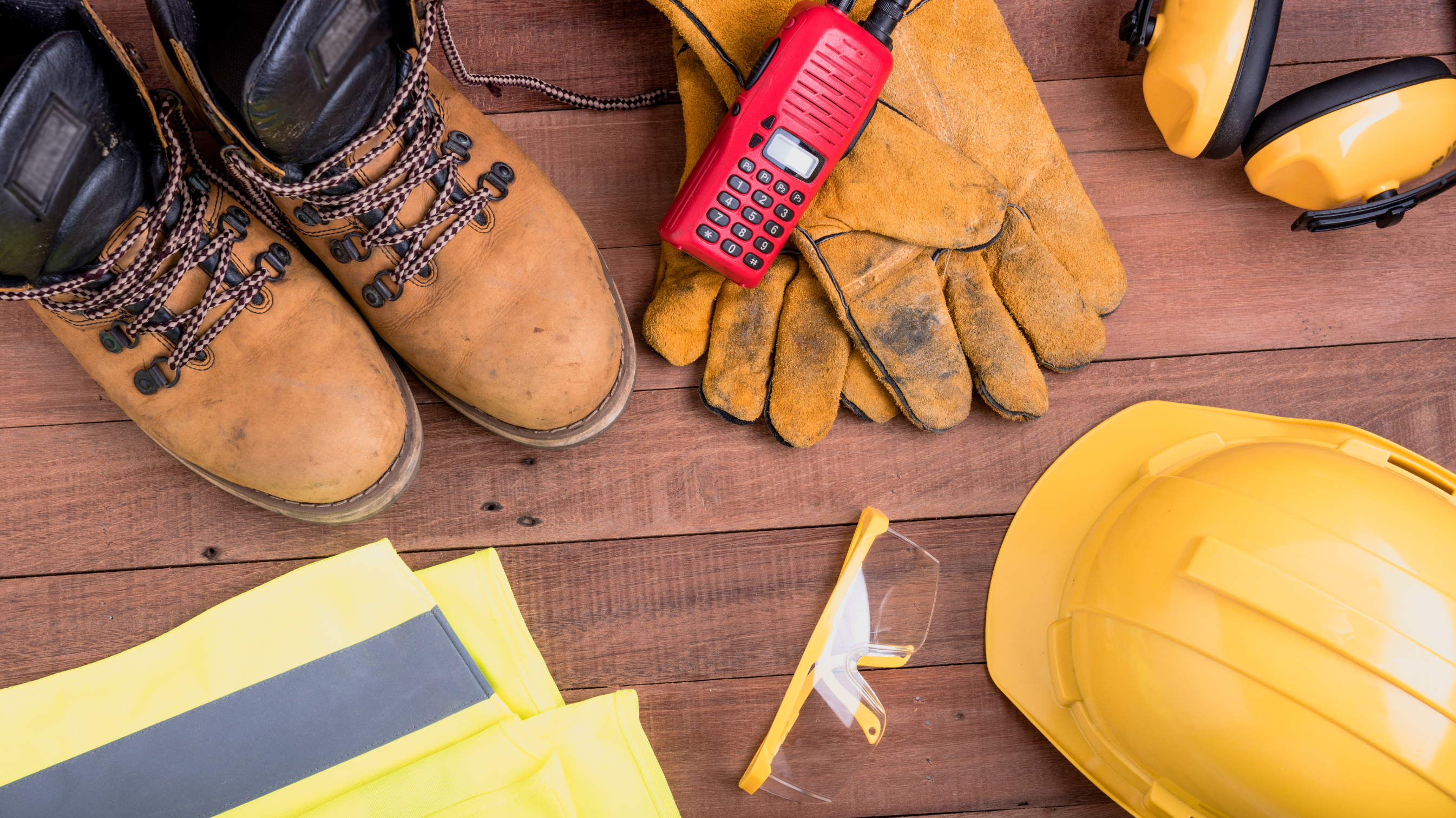
A variety of PPE displayed out on a table, showing protective boots, gloves, ear protection, safety glasses, a hard hat and a high-vis jacket.

What does the legislation say?

The use of PPE is covered in many different laws and regulations, however the main two safety acts are the Health and Safety at Work Act 1974 (HSWA), and the Personal Protective Equipment at Work Regulations 1992 (PPER).

The HSWA prioritises creating a safe environment for your staff with risk mitigation and training, highlighting your duty to provide the necessary equipment and the training/knowledge to achieve this. Whilst the PPER goes into more detail with the requirements:

“Every employer shall ensure that suitable personal protective equipment is provided to his employees who may be exposed to a risk to their health or safety while at work except where and to the extent that such risk has been adequately controlled by other means which are equally or more effective.” – PPER 4.1

This regulation specifies the employers’ duty to provide suitable PPE to protect the employees when any risks are unavoidable and pose a present health and safety hazard.

However, it is crucial for the equipment to be in good working condition, and critical that the staff is trained to safely assess and use the provided equipment. This is because misuse of PPE results in thousands of injuries across the UK every year.

Workers having a safety debrief, covering the importance of PPE usage.

The Importance of PPE

PPE is the crucial last step in your organisation’s health and safety, protecting from the remaining hazards in your workplace to ensure that your staff remain safe. With the right training and maintenance, PPE provides effective protection to help prevent incidents and encourage a safer working environment.

How To Prevent The Most Common Workplace Hazards

The working environment is constantly evolving, making it challenging to keep on top of health and safety. But with reports showing that almost 4 million working days are lost because of injuries every year in the UK, the presence of these common workplace hazards are clear.

Although every workplace has its own unique set of hazards, here are the most common workplace hazards that are likely lurking in your environment.


Slips, Trips and Falls

Accounting for almost a third (32%) of all injuries in 2023, slips, trips and falls are the most common cause of workplace injury in the UK, despite being one of the simpler hazards to spot and prevent.

One of the key preventative measures is ensuring good visibility. You should make sure that everyone can clearly see their path ahead, allowing them to double-check for any hazards eg. wet surfaces, objects in the way, uneven ground or steps. Areas should also be well-lit with walkways kept clear and dry, therefore ensuring that the path ahead can be seen.

It is also important to highlight any ‘problem areas’ to alert others to be more attentive. Some common methods to highlight these areas are:

  • Signs – ‘Wet floor’ signs or ‘Caution when wet’ signs are some of the most widely used options.
  • Highlighting steps – often bright grip tape is placed on ledges to highlight the elevation change to prevent trips.
  • Slip-resistant flooring – Commonly placed near entrances to stop wet walkways from becoming a hazard.
Safety tape on a staircase.

Fire Hazards

Fires remain a persistent and common hazard to businesses across the country, with a reported 22,000 workplace fires every year. To combat this, regular employee training is a necessity, and this can be done as a group session or online via a fire safety training course. Afterwards, taking this training periodically will refresh your employees’ knowledge.

It is also necessary to ensure that countermeasures are accounted for in case of a fire breaking out. This means checking your fire alarms and fire extinguishers regularly for damage, ensuring they are unobstructed and functional. Additionally, an evacuation plan should be in place, ensuring that everybody has a safe route out of the building – with any assistance necessary if needed.

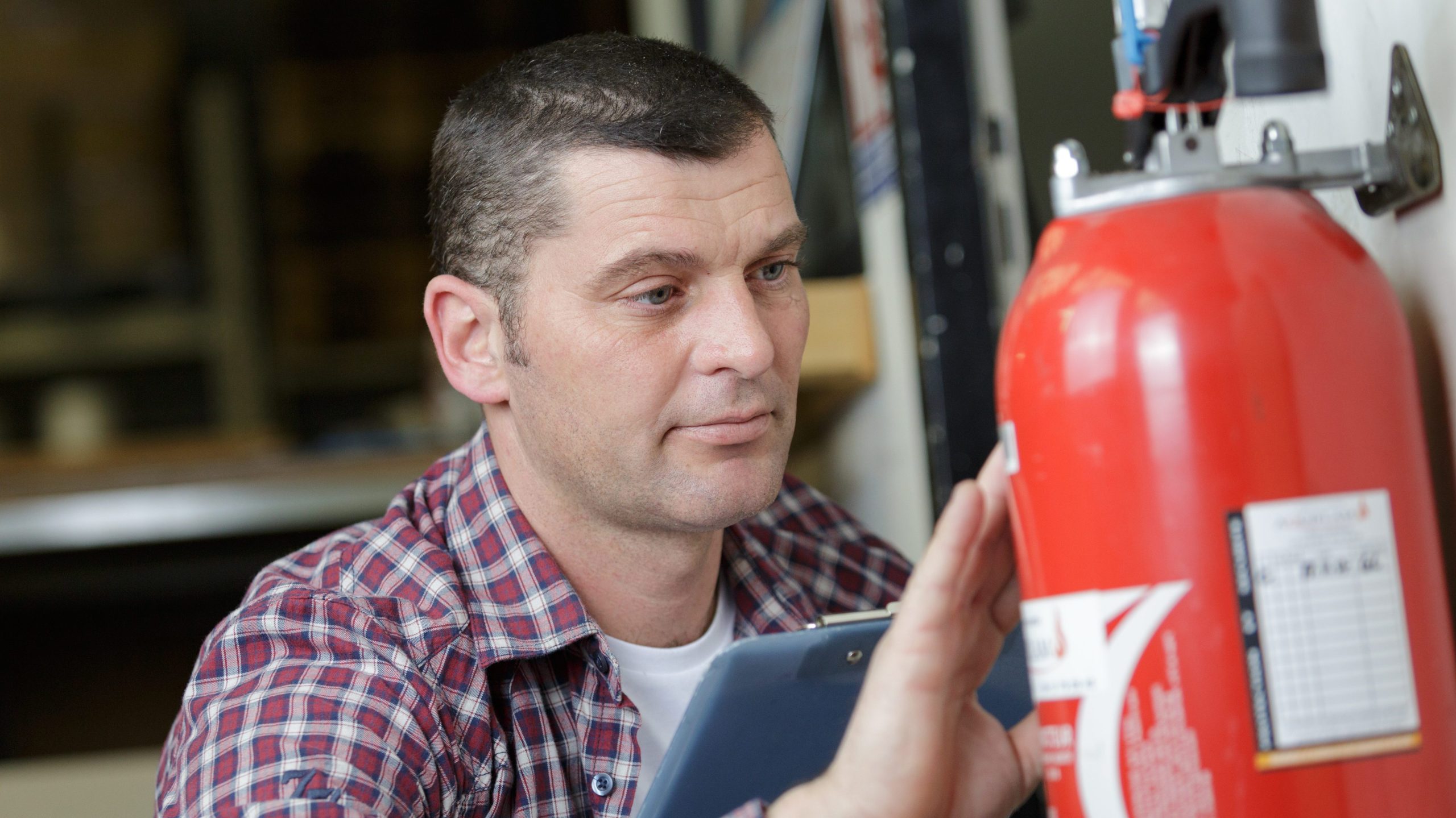
Man inspecting a fire extinguisher, to monitor the common workplace hazard

Electrical Hazards

Often forgotten, electrical hazards can pose a huge risk to your workplace safety if not regularly maintained. Shorting out circuits could potentially cause safety systems to fail, thereby increasing the risk of fires.

Simple yet regular checks are often the best way to keep on top of electrical risks, with formal maintenance and inspections carried out by a professional when necessary. Some key areas to check regularly are:

  • Cables – are they all intact and insulated correctly, with no signs of damage?
  • Outlets – are they in good condition and properly grounded?
  • Overloading – are the outlets overloaded?
Overloaded electrical outlet creating an electrical hazard

Ergonomic Hazards

Ergonomics often get disregarded when it comes to health and safety, but with almost half a million workers suffering from work-related musculoskeletal disorders every year in the UK, their importance is clear. Despite this high prevalence, it is one of the easier risks to eliminate.

Increasing awareness is the most common method to mitigate the hazards in the workplace, as employees can take more responsibility of their own workspace and adjust it accordingly. The best way to raise awareness among your staff is through training. A short eLearning course can effectively cover everything they need to know, and also gives you a record of when that was last completed.

Following on from the training, staff will then need to alter their workspaces to suit. This will involve adjusting everything from screen height for office workers to introducing equipment for heavy lifting for the more active sectors. Accommodating these changes will eliminate the ergonomic hazards, helping you prevent any injuries occurring because of poor ergonomics.

Poor ergonomics due to poor workplace hazard management

By identifying and eliminating these common workplace hazards, it can massively benefit both your business and your employees. This will help you to create a much safer and more efficient working environment, which will boost not only your business’s productivity but also its reputation. These implementations can all take place whilst also improving your staff’s morale and well-being by taking the ‘edge’ off your working environment; making it feel safer, whilst reducing staff injury and ill-health.


Sources:

HSE (2023) ‘Health and Safety at work statistics’. Available at: https://www.hse.gov.uk/statistics/overview.htm (Accessed: 27/06/2024)

Dorset Fire Protection (2023) ‘Common Causes of Workplace Fires’. Available at: https://dorsetfireprotection.co.uk/common-causes-workplace-fires/ (Accessed: 27/06/2024)

How To Build An Online Training Course

Building an online training course can be a fantastic way to deliver training to your staff, allowing you to personalise and customise the learning experience, to ensure that all users take in all necessary information. However, that being said it is crucial to prepare properly before creating any eLearning course, to ensure that your courses deliver the required lessons. As often jumping straight into the creation phase, will result in missing content and ultimately a lower-quality course.

A user learning how to build an online training course

1. Course Objectives

Establishing what you want to teach is the first and the most crucial aspect of building an eLearning course. This ensures that the course covers all the crucial lessons that you need to teach, whilst allowing you to plan out how to best achieve this.

Start by setting the objectives of the course, these don’t have to be listed at the start of the course, but it can be helpful to establish to the learners what the key takeaways are. So what are the key lessons you are covering?

  • Filling in gaps of knowledge?
  • Teaching a user how to use something?
  • Where are health and safety measures required?
  • Site specific considerations/information?

2. Research

Research is the next important step in creating your own eLearning course. As before you start to piece together your course, you need to make sure that what you are teaching is correct. This will ensure that you fully understand the course content and iron out any mistakes/gaps in your knowledge to make sure that your training is as high quality as possible.

This step may not be necessary depending on the course content, so use your discretion. However, even if you are experienced in the subject at hand, finding credible sources to back up your statements only adds to the validity of your course, whilst ensuring that your learners can trust what they’re being taught.

A magnifying glass on a keyboard symbolising research

3. Audience and Format

When building your own online training course it provides an unmatched opportunity to tailor the content and format to your audience. This will also help condense the course, helping you to avoid being that dreaded training course that is too drawn out for its own good. So factoring in your audience and altering the content and format to suit, is key to avoiding this and build a high-quality condensed training course.

This will also allow you to change the format to best suit their training needs. For example, if your online training course is primarily for an experienced workforce, then you can tailor the content to be more ‘recap-focused’, to keep their training as concise and engaging as possible. However this therefore wouldn’t be as suitable for new starters, potentially lacking the detail required to fill in any gaps, highlighting why considering your course audience is crucial to ensuring that it delivers on the objectives.

A user learning from a elearning course

4. Course Outline

Once you have your foundations of the content, it is key to plan out an outline for your course. This will help you determine the best way to deliver the lessons to get your point across.

Start out by placing the key slides into your Training Course Creator tool and reorder them until they sit logically – covering all the key points in the order in which they should be covered. This will ensure that your course doesn’t bounce between topics to often and keeps the learning organised into digestible sections.


5. Content

Once you have your key slides in order, its now time to fill out the bulk of the course. This is where you compile all of the previous steps and complete the course with all of the relevant content.

Be sure to keep this in-line with your audience and formatted to suit, to create the best learning experience. Attaching any media, information sources and site-specific knowledge where necessary. This will also help keep the course engaging, which is critical to creating the best learning environment.


6. Quiz Questions and Types (Knowledge Checks)

With the bulk of the online training course now built, you can now test your learner’s knowledge. This is crucial to ensure that they have learnt the course content and meet the level of knowledge required to pass the course.

There are many ways in which questions can be integrated into the course, so make sure to consider the options to find the most appropriate fit. This means considering:

  • How many questions are needed?
  • How are the questions going to be spaced out?
    • Is one big block appropriate?
    • Do you space them out evenly?
    • Are short ‘Knowledge Checks’ the best fit?
  • What question types are you using?
    • Multiple choice
    • Drag and Drop
    • Sortable lists
  • What are the key topics to test for?
Puzzle question piece

7. Quality Checks

Finally, you need to check the quality of the course, ensuring that it works as intended, with no errors throughout the course, whether that is a weird glitch in the test questions or certificates not being awarded properly. This is also where you can refer back to the course objectives you set in the earlier steps, ensuring that the training delivers on its goals and has no content missing or being skimmed over.

During this step it is also important to check for any grammatical or spelling errors as well as formatting errors – are the pictures high quality? Are linked videos running smoothly? Is there any clipping or weird text placement?


Conclusion

Overall, there are many steps that go into the creation, research and formatting of an engaging high-quality training course. But these steps are crucial to ensuring the course lives up to the many benefits of custom courses and make it worth the added effort. When done correctly creating an eLearning course provides a unique learning opportunity and will enhance your training standard.

The Benefits of eLearning

Training is a crucial part of any business’s health and safety, with it being critical to ensuring that everyone knows the dos and don’ts within their workplace – everything from Asbestos Awareness to Fire Safety courses. However, managing training can often be a time-consuming and stressful task, and businesses often don’t take the time to consider other options. So here are the 5 benefits of eLearning to help you streamline your training and widen your perspective.

eLearning graphic of a laptop wearing a graduate hat.

Flexible Learning

One of the advantages of eLearning is its flexibility in both location and timing. Gone are the days of trying to schedule training with everyone’s calendars to make sure they can all attend one session at a set location.

eLearning allows you to bypass this and get your staff to learn at a time which suits them. Whether that’s on their phone/tablet as they are on the go or in the office on their computer, online training is completely flexible, all you need is a device and internet access.


Seamless Management

Managing training can be challenging and time intensive, lining up schedules, organising the training and tracking who has done what and when. But eLearning can streamline this process, with fast insights into your organisation’s training.

With the ability to quickly view who has completed their courses and what’s overdue and upcoming, our eLearning module will also ensure that no training is missed. With weekly email reminders for overdue training and auto-assign features, you can ensure that your training doesn’t go past its expiry date.

Smartlog's eLearning laptop, featuring different courses.

Personalised Learning

Another great benefit of eLearning comes from the individual aspects of it, allowing for personalised and unique learning. From choosing what to assign to everybody individually to tailoring their courses specifically to their department/site using a Training Course Creator tool.

Being digital, eLearning also provides a unique learning opportunity, allowing you to use videos and graphics easily to learn and even interactive content, which can provide immediate feedback to the user, helping them learn faster.


Reduced Costs

In-Person training is expensive with many factors affecting the price, from the trainers’ day rate, the travel costs involved, time lost and even the building costs for the room.

However, due to the nature of online training, you can cut these costs down by going digital, having no travel or hire costs and having training for unlimited users all for one price. Making eLearning a lot more affordable for businesses especially when the change in admin work is accounted for.

Reducing the cost of training image.

Bite-sized Learning

Splitting up training time is crucial to remain focussed and ensure the best learning environment. This is especially important when you are covering serious topics as is normally found within workplace training.

This benefits eLearning greatly as you can easily split up your training into bite-sized chunks, either one course at a time or pausing halfway through to come back to it later.


Overall considering the swap to eLearning can be beneficial for most businesses, helping you to streamline your training process whilst reducing costs, removing the hassle, and improving your staff’s learning experience.

Contact Us